Matrix is an open platform for secure, decentralized, realtime communication. Matthew Hodgson, the Matrix project leader, came to FOSDEM to describe Matrix and report on its progress. Attendees learned that it was within days of having a 1.0 release and found out how it got there. He also shed some light on what happened when […]
Category: best practice
The discussion of the Huawei security concerns showcases a general trust issue when it comes to critical infrastructure. A first step to solve this problem is to publish the code under a Free and Open Source Software licence and take measures to facilitate its independently-verifiable distribution. The ongoing debate about banning Huawei hardware for the […]

The European cities Paris, Amsterdam and Barcelona have been named among the top 10 Smart Cities worldwide. They are transforming their urban environments through technology by using data to connect, digitalise and make their cities future proof. The European Union can help you transform your city too! The European Commission, through the CEF Digital programme, […]
About this consultation Feedback period: 7 December 2018 – 1 March 2019 Topic: Digital economy and society, Institutional affairs Target audience We welcome contributions from: i) citizens; ii) businesses; iii) associations representing businesses or professionals; iv) associations representing consumers or the civil society; v) public administrations. Why we are consulting This public consultation aims to […]
Over a hundred European cities have agreed on ‘Minimal Interoperability Mechanisms’ defining the communication between software programmes and building blocks to allow co-creation and sharing of services. The MIMs, advocated by the Open & Agile Smart Cities (OASC) initiative, are “simple steps towards using new technology”, OACS chairman Martin Brynskov said on Thursday. “The MIM […]
“The Competences we need” – Documentary on the Council of Europe Reference Framework of Competences for Democratic Culture from Council of Europe OP Services. “We were not born as fully informed and active citizens. This is something that we become with time”. This is the opening sentence of the new documentary produced by the Education […]
In the past year, ICT companies in the Basque Country in Spain that specialise in free and open source software report a revenue growth of 8 percent – much higher than the autonomous region’s average – according to a member survey by ESLE, the region’s trade group for these ICT service providers. “This year’s growth […]
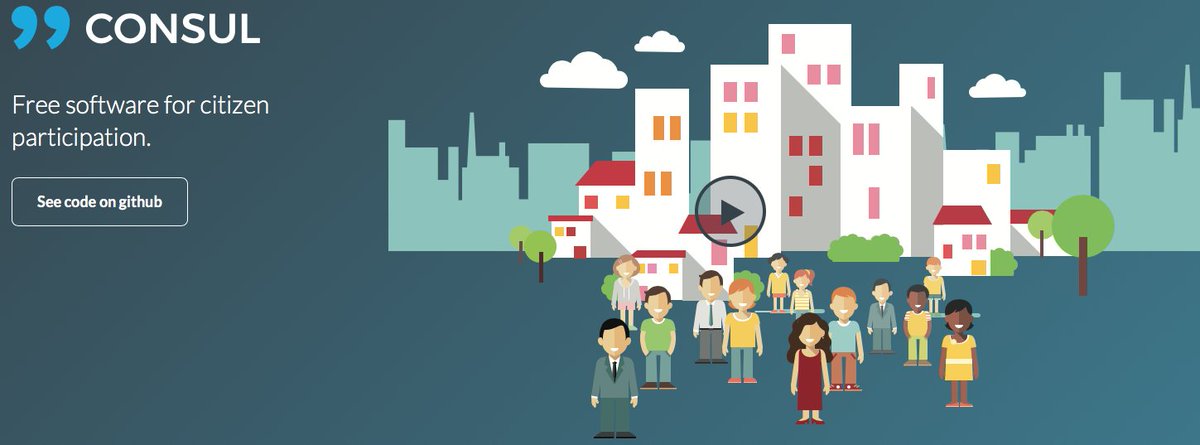
Consul, the citizen participation platform shared as open source by the city of Madrid (Spain), is being implemented in 18 countries across the world. In Spain, Consul is used by over 40 villages, towns and cities. In Europe, Consul is also used by Paris and Aude (France), Turin (Italy), and Tirana (Albania), while Madrid has […]
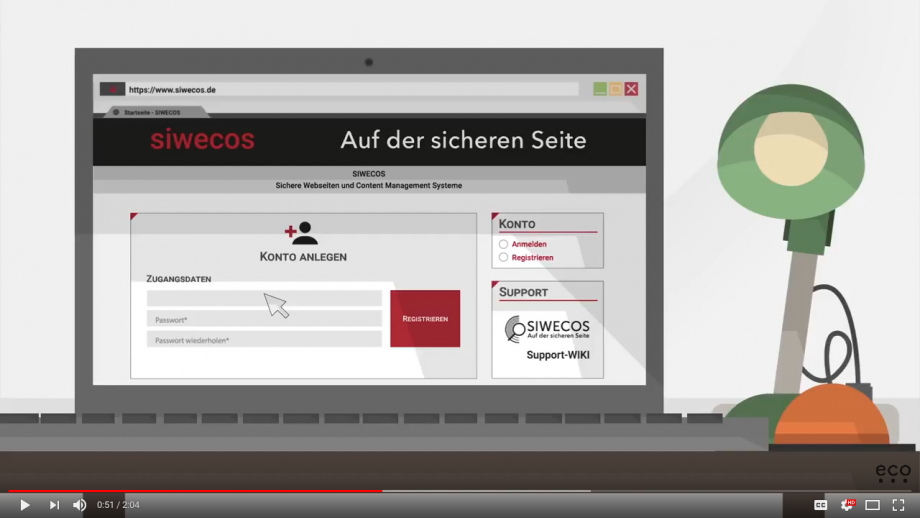
Germany’s federal Ministry for Economic Affairs and Energy has been funding a 26-month project to help small and medium-sized companies avoid IT security issues when using open source content management systems. The project started in September 2016 and will end in November this year. The project is now looking for sponsors to continue the online […]
Municipalities in Finland should now find it easier to discover reusable, open source ICT solutions. A list of available solutions is available on the Avoinkoodi (“Open Code”) portal, managed by COSS, the country’s open source resource centre. To promote sharing and reuse of open source solutions, the centre is working with Kuntaliitto, the Association of […]