The question is not whether they “want” to deceive us When a large language model gives a false answer, it is not automatically lying. A hallucination is a generation error: the model produces an inaccurate statement because it predicts a plausible continuation without a reliable connection to reality. Deception is different. It is scientifically useful […]


Why their value for the IT market lies in reuse, open standards and avoiding vendor lock-in In the IT sector, we know well that a successful prototype is not necessarily a sustainable information system. It may work perfectly in a controlled environment, yet fail when it has to integrate with existing infrastructure, be maintained for […]

Most discussions about artificial intelligence begin with models. Which model is stronger, faster, cheaper or more capable? For public administrations and private enterprises, however, the decisive question is different: what data does the model reason over, who governs that data, how is it connected to real workflows, and how can every answer be traced back […]

The shift from assistant to operator For a long time, public discussion treated artificial intelligence as an assistant. You ask, it answers. You upload a document, it summarizes it. You request a draft, it proposes one. That framing is already outdated. The real security issue begins when AI stops waiting for instructions and starts operating […]

Fluency is not reliability Large language models create a dangerous illusion for both public administration and private organizations. They look like universal productivity engines: fast drafting, fast summaries, fast answers, fast recommendations. But speed and fluency are not the same as accuracy, accountability, or institutional reliability. A model can produce a polished paragraph and still […]

The Green and Sovereign Choice for Greece and Europe Europe’s artificial intelligence strategy stands at a structural inflection point. Dependence on hyperscale cloud infrastructures located outside the European Union increases systemic vendor lock-in, geopolitical exposure, and regulatory vulnerability. Simultaneously, the accelerating energy consumption of large AI infrastructures threatens Europe’s sustainability commitments and long-term competitiveness. The […]

Apertus AI is one of the most transparent and technically mature efforts to build a fully open-source large language model. Developed in Switzerland and released together with its source code, training documentation and model weights, it offers an unprecedented level of reproducibility and independence from closed ecosystems. This makes it ideal for researchers, public-sector institutions […]

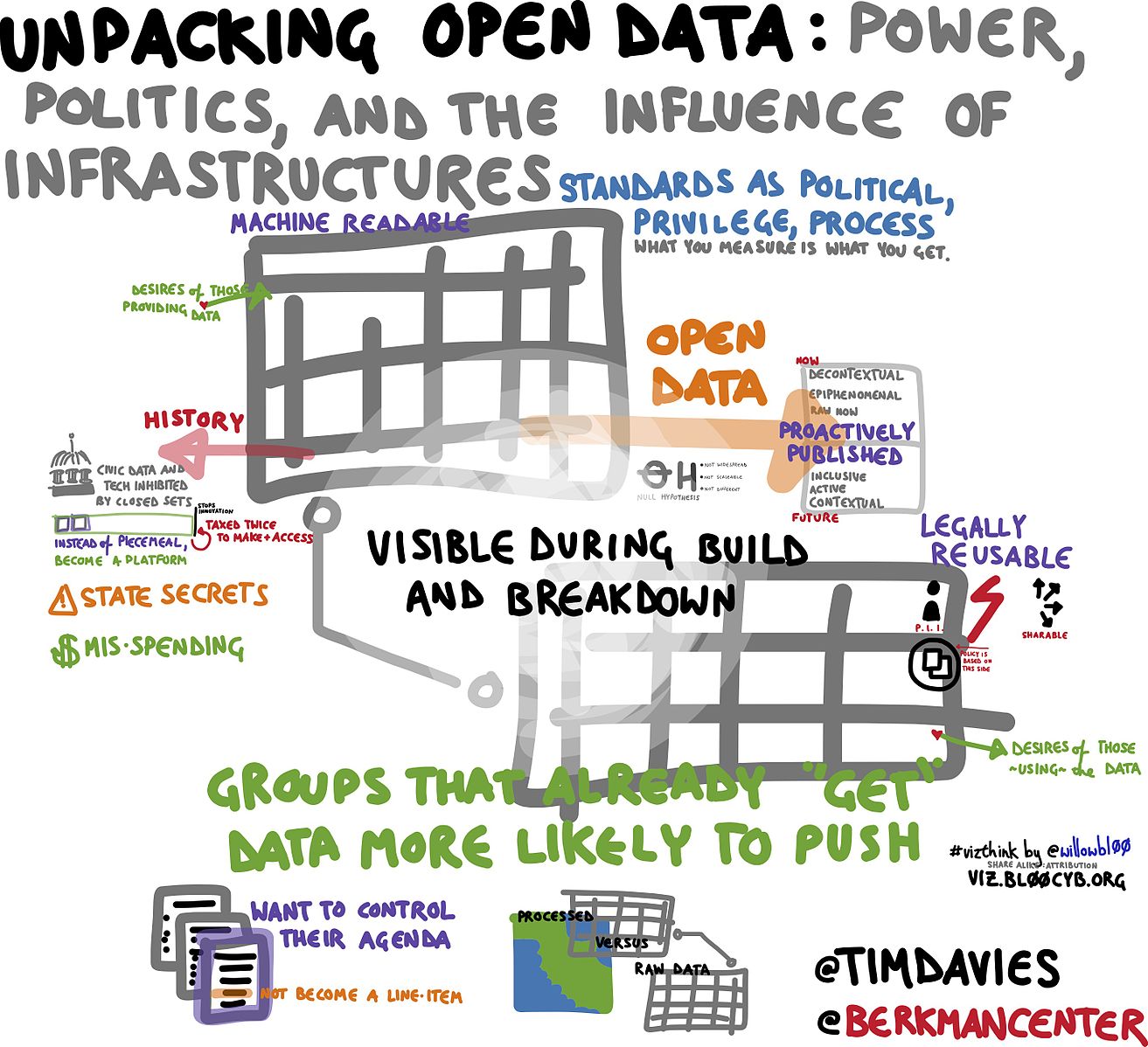
Both types of data can transform the world, but when government turns big data into open data it’s especially powerful  Big data and the new phenomenon open data are closely related but they’re not the same. Open data brings a perspective that can make big data more useful, more democratic, and less threatening. While big […]