AI changes the economics of attack Cybersecurity has entered a new phase. The main shift is not that computers suddenly became vulnerable. Software has always contained bugs, and some of those bugs have always been exploitable. What has changed is the economics of attack. Artificial intelligence lowers the cost of finding weaknesses, understanding unfamiliar code, […]


The shift from assistant to operator For a long time, public discussion treated artificial intelligence as an assistant. You ask, it answers. You upload a document, it summarizes it. You request a draft, it proposes one. That framing is already outdated. The real security issue begins when AI stops waiting for instructions and starts operating […]

Fluency is not reliability Large language models create a dangerous illusion for both public administration and private organizations. They look like universal productivity engines: fast drafting, fast summaries, fast answers, fast recommendations. But speed and fluency are not the same as accuracy, accountability, or institutional reliability. A model can produce a polished paragraph and still […]

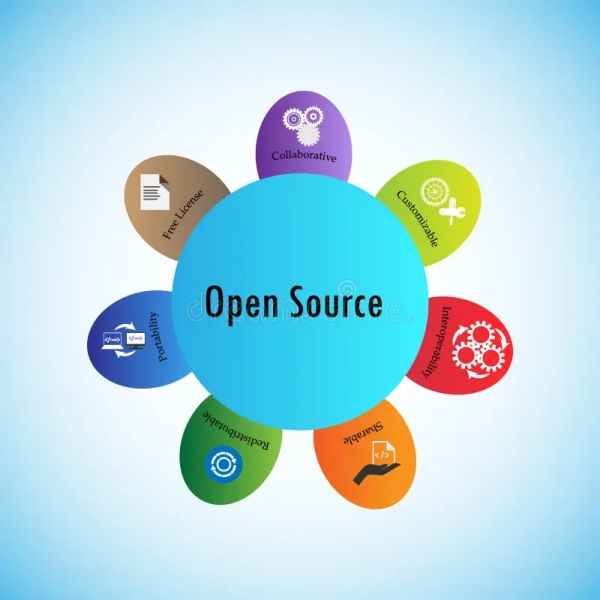
Europe does not suffer from a lack of open source. It suffers from a lack of large-scale adoption. Across the European Union, the policy direction is already clear. Interoperability, reuse and cross-border public service improvement are now central to Europe’s digital agenda. Open source has also been increasingly linked to reduced dependency, stronger digital autonomy […]

An approval that changes the scale of ambition The approval of the proposal “Enhancing multilingual foundation models through lexicographic grounding: advancing GlossAPI for Apertus Greek language integration” by the Swiss AI Initiative is more than a welcome grant decision. It is a recognition that Greek should be treated as critical digital infrastructure in the age […]

Benefits and risks for the public and private sectors AI agents are not just better chatbots. They are systems that combine language models with tools, memory, retrieval, and the ability to execute multi step actions across software environments. That combination gives them real productive potential for both the Greek public sector and private firms, but […]

The Green and Sovereign Choice for Greece and Europe Europe’s artificial intelligence strategy stands at a structural inflection point. Dependence on hyperscale cloud infrastructures located outside the European Union increases systemic vendor lock-in, geopolitical exposure, and regulatory vulnerability. Simultaneously, the accelerating energy consumption of large AI infrastructures threatens Europe’s sustainability commitments and long-term competitiveness. The […]

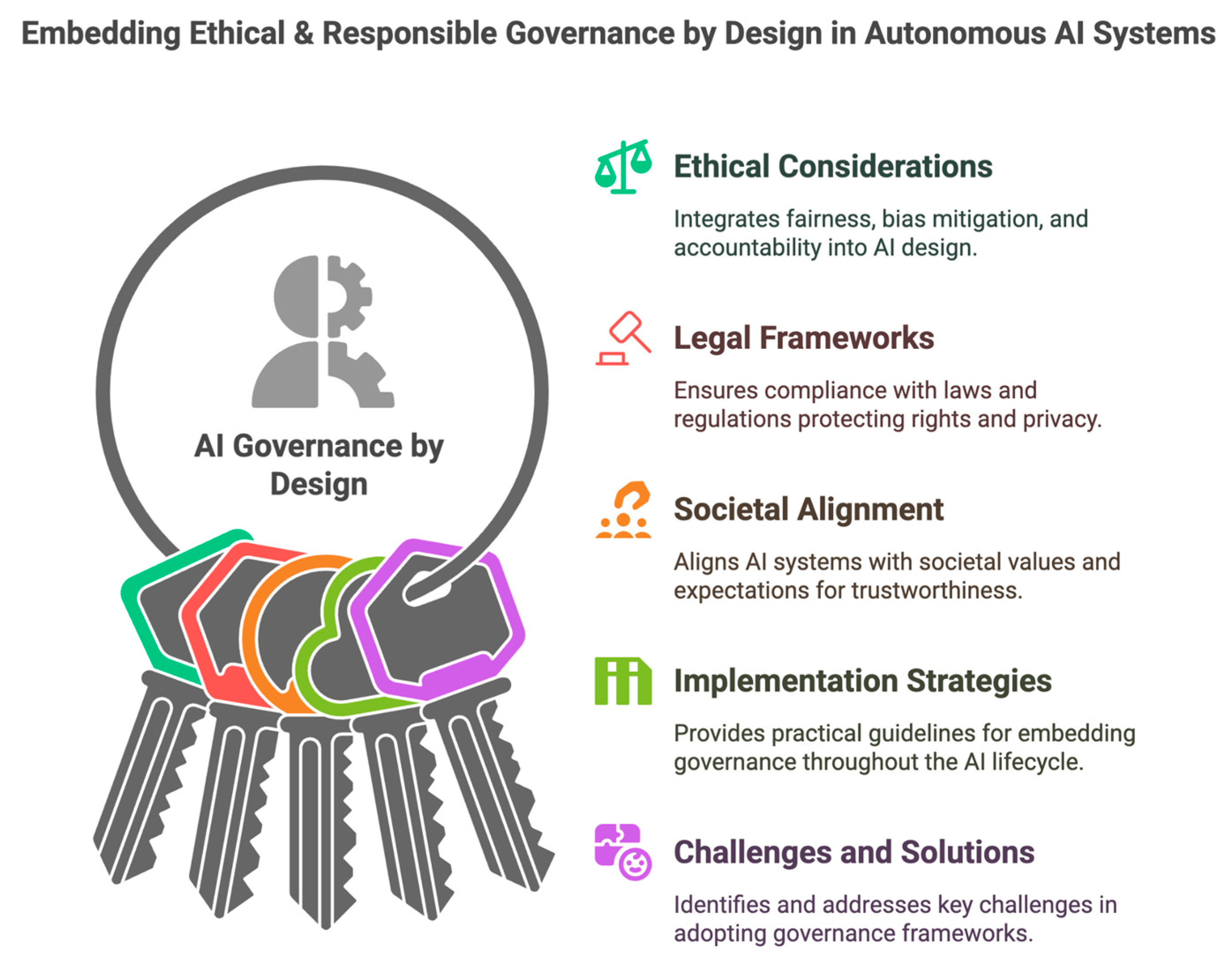
Scientific Arguments Against Uncritical Deployment in the Public Sector Artificial Intelligence is frequently presented as a neutral instrument of modernization within public administration. Claims of efficiency and cost reduction dominate policy discourse. Yet a growing body of scientific research demonstrates that uncritical deployment of AI systems in public institutions poses structural risks to democratic governance, […]

A policy case for Greek as a national and European language data infrastructure Large language models depend on vast amounts of text, but scale without legal clarity produces fragile systems. Datasets built on opaque web crawling cannot guarantee lawful reuse, redistribution, or long-term sustainability. The German Commons provides a clear alternative: 154.56 billion tokens of […]

Apertus AI is one of the most transparent and technically mature efforts to build a fully open-source large language model. Developed in Switzerland and released together with its source code, training documentation and model weights, it offers an unprecedented level of reproducibility and independence from closed ecosystems. This makes it ideal for researchers, public-sector institutions […]